.png)
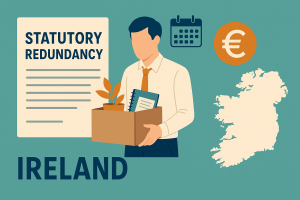
Redundancy in Ireland: what to do in the first 30 days after you get the news
Hearing the word “redundancy” from your employer is rarely a surprise in today’s world, but it is still a shock. In Ireland, many people go from a normal working week to thinking about notice periods, redundancy payments and Jobseeker’s Benefit in a matter of days.
Those first weeks are emotional, and it is very tempting to ignore the paperwork. But a few calm, practical steps can protect your finances and give you more options later.
1. Slow down before you sign anything
When an employer announces redundancies, there is often a lot of paper: letters, proposed agreements, information packs. You do not have to understand everything in one sitting and you definitely do not have to sign everything on the spot.
In particular, take your time with:
-
Any termination agreement or settlement
-
Documents that ask you to waive claims or confirm that you will not take legal action later
-
Offers that mix statutory redundancy with additional, “ex-gratia” amounts
Before signing, many people will talk to a union rep, a solicitor or an independent adviser. Understanding the difference between statutory redundancy and ex-gratia payments is crucial, because they are not treated the same way for tax.
2. Get a clear picture of your statutory redundancy entitlement
Ireland has a legal formula for statutory redundancy. Your first question should be: what is the basic statutory minimum I am entitled to? Only then can you compare it with what your employer is offering.
Instead of trying to do the maths by hand, you can use a simple redundancy calculator Ireland style tool. This helps you check:
-
Years of service that count
-
The cap on weekly pay
-
And whether your employer’s figure at least matches the legal minimum
Once you know the statutory baseline, it is easier to see how much of any extra offer is genuinely “on top” and how much is just what you are owed anyway.
3. Ask how your redundancy payment will be taxed
Your overall redundancy package may include different elements:
-
Statutory redundancy (often tax-free)
-
Pay in lieu of notice
-
Outstanding holiday pay
-
Bonuses or commission
-
Ex-gratia severance payments
Each part can be taxed differently. That is why so many people start searching for tax on redundancy payments in Ireland once they see the breakdown on their final payslip.
You do not have to become an expert in the various exemptions and formulas, but you should at least ask HR:
-
Which parts of the payment are tax-free
-
Which parts are subject to PAYE, USC and PRSI
-
Whether they expect you to claim any extra relief from Revenue yourself
4. Think ahead about refunds and overpayments
Redundancy often happens part-way through a tax year. That means you may have paid too much tax or USC if you do not work again for a while, or if your income is much lower in the rest of the year.
It is worth making a note to check claiming tax and USC back after redundancy when things are less hectic. A simple guide paired with a USC or income tax calculator can help you see whether a refund might be due once the calendar year is over or via an unemployment repayment claim.
5. Protect your short-term cash flow
While redundancy payments can look large on paper, it is easy to burn through them quickly if you are stressed and not paying attention. In the first 30 days it helps to:
-
Draw up a simple 3–6 month budget
-
List your essential costs – rent/mortgage, utilities, food, debt repayments
-
Decide how much of the redundancy money you are willing to ring-fence for emergencies only
You may also need to deal with mortgage protection, life cover or other policies linked to your job. If you are a homeowner, this is also the moment to contact your lender early if you think you might struggle with repayments.
6. Get your paperwork in order
Future you will thank you if, during those first weeks, you keep all of your redundancy documents together:
-
Letters from your employer
-
Redundancy calculations
-
Final payslips
-
P45 / end-of-employment documents
-
Any notes from advice sessions
These will be important for tax claims, social welfare applications and, in some cases, legal issues.
7. Give yourself time to process
Finally, redundancy is not just a financial event. It is emotional and personal. It is normal to feel angry, relieved, guilty, optimistic and anxious – sometimes all in the same day.
Taking the practical steps above does not mean you have to rush into your next job immediately. In fact, getting a clear view of your statutory redundancy, understanding how redundancy pay is taxed in Ireland and protecting your cash flow can give you breathing space to decide your next move more calmly.